



























TL;DR
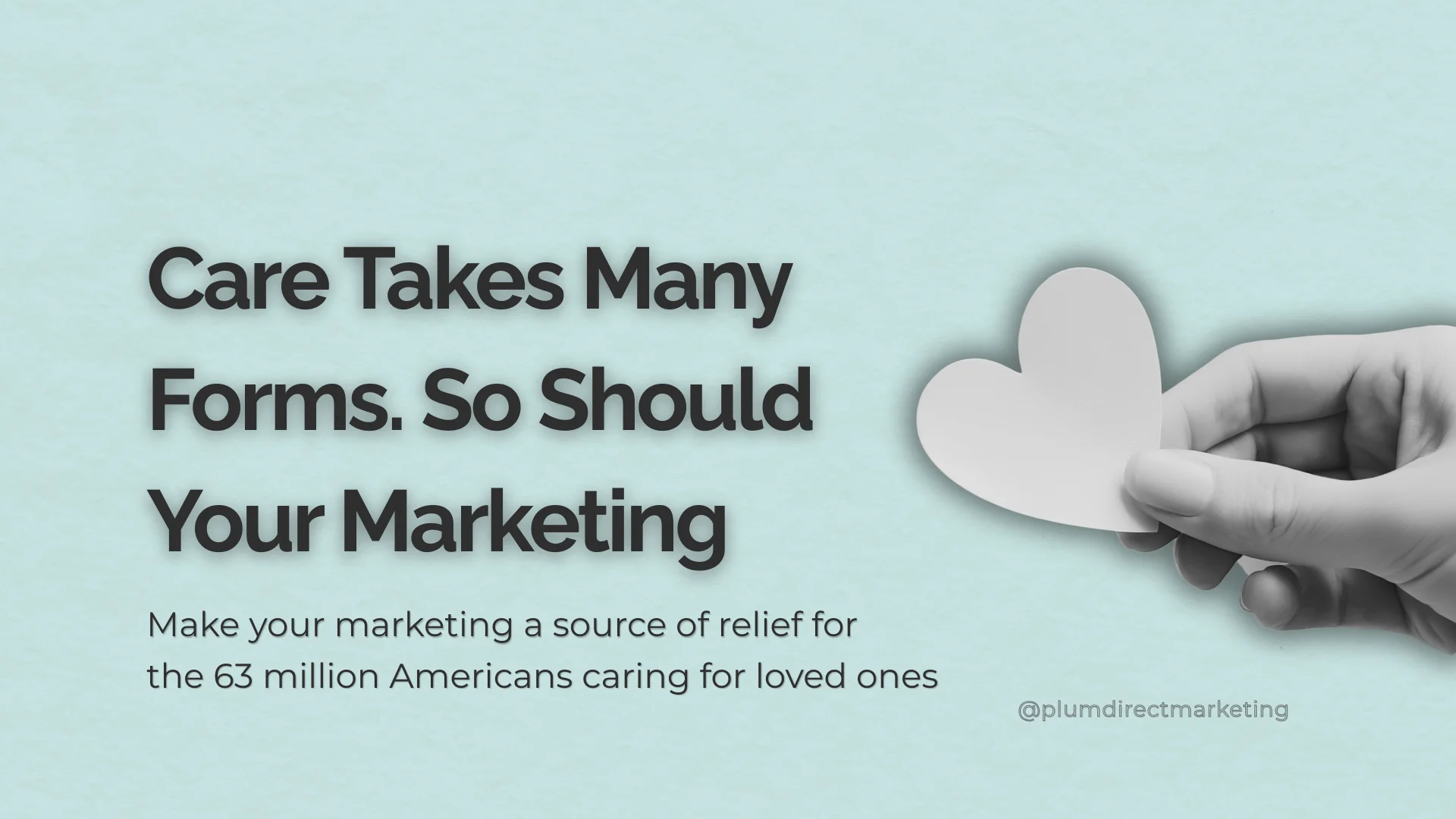
Over 63 million Americans are family caregivers: people making financial, legal, and daily life decisions for loved ones while running their own lives and businesses. This November, your marketing shouldn’t add noise. It should offer relief. Here’s how: create online content that solves a real problem, send direct mail that feels useful, and host events that build real connection.
A Moment to Lead, Not Just Promote
Every marketing calendar is full of “awareness months,” but not all of them are worth acting on. It depends on your strategy. Some dates boost visibility; others reveal real shifts in client behavior. National Family Caregivers Month falls into the latter: one worth watching, especially if your audience includes families or retirees. Before planning, it’s smart to review whether this niche fits within your strategic focus.
This isn’t about themed posts or token appreciation. It’s about seeing what’s really happening in your clients’ lives. Many are quietly juggling caregiving responsibilities: helping parents manage finances, handling medical paperwork, or simply trying to stay afloat.
Recent data shows just how widespread this is: according to the Caregiving in the U.S. 2025 report by AARP and the National Alliance for Caregiving, 63 million Americans are family caregivers—nearly a 50% increase since 2015. Nearly 60% say caregiving significantly affects their emotional well-being and work-life balance, while about 40% report a negative impact on their physical and mental health.
If your marketing doesn’t reflect that reality, it risks missing the mark. Caregivers aren’t looking for clever slogans. They’re looking for someone who gets it.
Here’s how to meet them where they are.
1. Create Online Content That Solves an Immediate Pressure
Skip the “thank you, caregivers” posts. Go straight to usefulness. Your content should answer the questions they’re too overwhelmed to Google clearly.
What they’re really thinking:
“How do I handle this without everything else falling apart?”
Examples That Work
- For Financial Advisors or Wealth Managers:
Post idea: “The Financial Conversation You Need to Have With Aging Parents.”
It’s specific, timely, and turns anxiety into action—exactly what a good advisor does. - For Tax Professionals or Accountants:
Post idea: “Can You Claim a Parent as a Dependent? A Caregiver’s Guide to Overlooked Tax Deductions.”
Solves a real problem with a financial benefit attached. - For Estate Planning Attorneys:
Post idea: “The Three Legal Documents That Prevent a Family Crisis.”
Zero fluff, all clarity. - For Local Service Businesses:
Post idea: “Home Maintenance Checklist for Family Caregivers.”
Show them how your service removes stress from their plate, not just weeds from their lawn.
Action Step:
Turn one idea into a short LinkedIn article or blog post and link it to a landing page offering a one-page “Caregiver Checklist.” That’s value worth sharing.
2. Use Direct Mail That Feels Like Help, Not Hype
A caregiver’s inbox is full. They don’t have time to read every message, but they do notice what lands in their mailbox. In 2025, direct mail remains one of the most effective ways to capture real attention. (DMA)
Send something that earns space on the kitchen counter: a mailer that actually helps.
Concept: The “Caregiver Support Kit”
Don’t send another brochure. Send relief.
Include:
- A Real Letter: Start with, “We know your to-do list is long…” Keep it human.
- A Time-Back Offer:
- Financial Advisor: “Get a 30-minute review of your parents’ investment plan.”
- Home Service Provider: “Enjoy one month of free lawn service—one less thing to worry about.”
- A Useful Tool: Add a fridge magnet with emergency contacts or a “5 Signs of Caregiver Burnout” bookmark.
Why It Works:
It’s tactile, useful, and human. That’s what stands out in 2025 marketing.
3. Host a Seminar That Builds Trust Through Shared Reality
Caregivers crave clarity and connection. Hosting a focused event, whether online or hybrid, gives them both.
Title That Cuts Through:
“Managing Your Finances (or Home, or Legacy) While Caring for a Loved One.”
Keep It Simple:
- 20 minutes of content — practical and to the point.
- A partner guest — an elder law attorney, financial planner, or local care professional.
- 30 minutes of Q&A — real talk beats rehearsed slides every time.
Why It Works:
You’re not pitching. You’re positioning yourself as a steady, informed resource during a chaotic season of life.
Your Next Step
You don’t need another awareness campaign. You need connection that leads to action.
At Plum Direct Marketing, we help service-based professionals turn insights like this into real marketing systems: combining targeted direct mail, educational content, and lead-generating events that actually move the needle.
Let’s create your next campaign. Schedule a Free Strategy Call.
FAQs
Is National Family Caregivers Month actually relevant for marketing?
Yes. This date it’s a reflection of what many clients are living right now. Caregivers are decision-makers under stress, managing finances, legal matters, and family logistics. Addressing that reality makes your marketing more human and effective.
What type of campaign works best around National Family Caregivers Month?
Campaigns that relieve pressure. Focus on short educational content, downloadable checklists, or practical offers that make life easier. Avoid sentimental “thank you” posts. Lead with action and clarity.
How can I create content that resonates without sounding salesy?
Lead with utility. Write about real issues like tax deductions for dependents or managing finances for aging parents. Keep it short, specific, and actionable.
I’m not in finance or insurance, can this approach still work?
Absolutely. Any service-based business can use it. Caregivers value time and reliability, so position your service as a way to reduce stress, not just complete a task.
What kind of seminar connects best with caregivers?
Keep it short and grounded. A 45-minute hybrid session on “Managing Finances (or Home Tasks) While Caring for a Loved One” works well—especially when co-hosted with another trusted professional.
How do I avoid sounding opportunistic when using this theme?
Don’t dramatize. Be direct. Acknowledge their challenge, then offer something useful. For example: “We know caregiving can be overwhelming—here’s a 10-minute guide to simplify your tax season.”
What should I post or email during National Family Caregivers Month?
Share one focused, useful message. Example: “For Family Caregivers: 3 Quick Financial Moves Before Year-End.” One insight, one link, one contact line. That’s enough.
Is this kind of micro-campaign really worth the effort?
Yes. Campaigns that feel personal and timely build stronger trust. When your message reflects what clients are actually experiencing, response rates follow.
How can I connect my mail campaign with my digital marketing?
Keep one theme and CTA across channels. For example, your mailer can link (via QR code) to your landing page. Consistency drives engagement and makes tracking easier.


