
























TL;DR
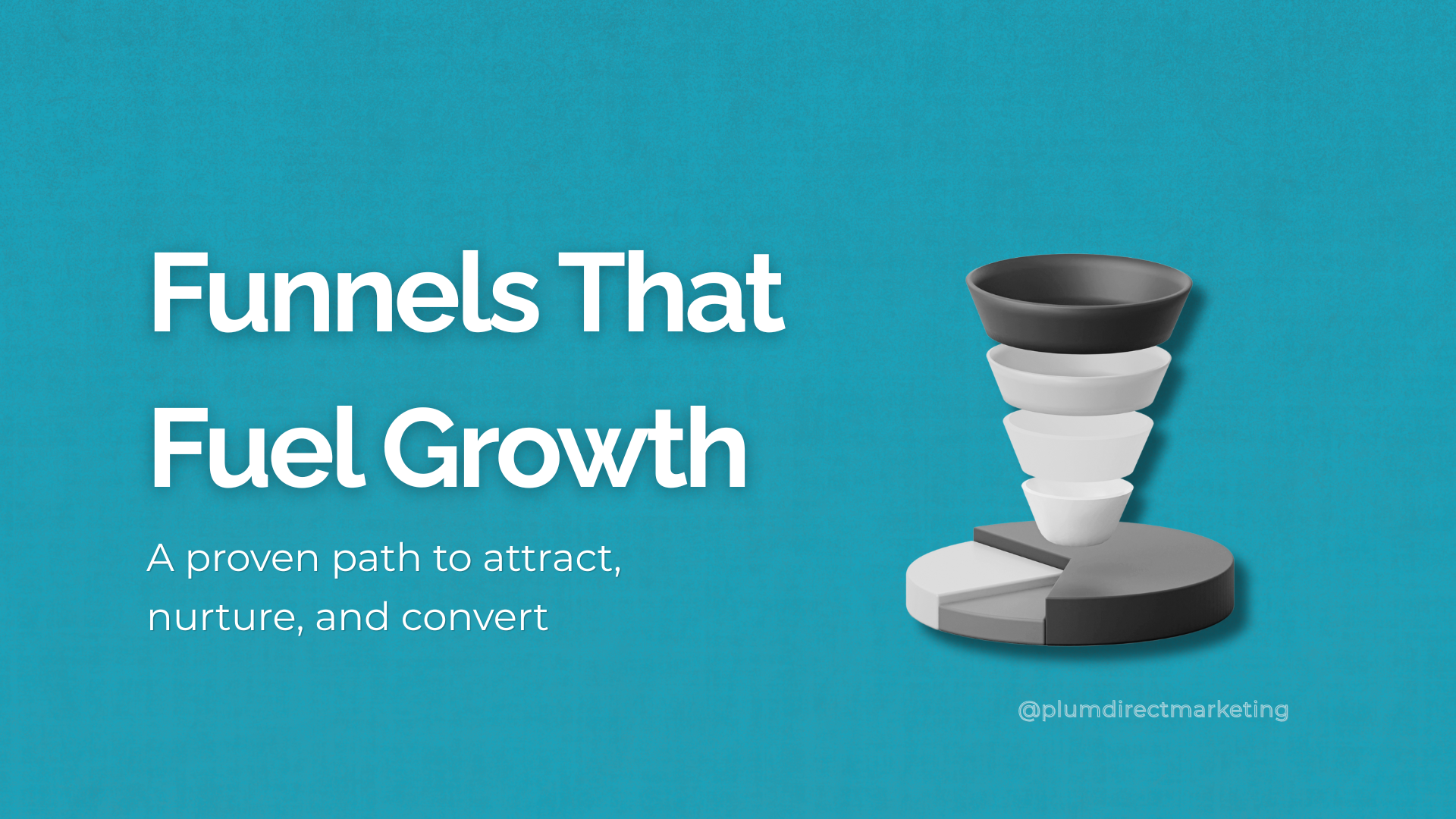
In 2025, referrals alone won’t cut it. The advisors still growing are the ones building funnels that work: attracting the right people (SEO, direct mail, events), nurturing with useful content (emails, retargeting, video), and converting with trust (reviews, easy booking, fast follow-up). The ones who blend local and virtual don’t rely on luck—they keep a steady pipeline of ideal clients.
Key Takeaways
Referrals aren’t dead, but they’re drying up. Random Facebook ads, cold calls, or one-size-fits-all seminars aren’t fixing the pipeline problem. The advisors growing in 2025 are building funnels that bring the right people in, keep them engaged, and move them toward a meeting. In this post, we’ll break down how to design a client journey that attracts, nurtures, and converts, locally and virtually.
Why Funnels Matter for Financial Advisors
Financial services aren’t impulse buys. Nobody wakes up and decides to hand their retirement plan to a stranger. It takes trust, education, and consistency.
A funnel is the bridge between someone Googling “financial advisor near me” and someone sitting across from you ready to talk 401(k)s. Without that bridge, you’re back to late nights wondering if referrals will come through—or if your calendar stays empty.
A strong funnel:
- Gives you predictability in client acquisition.
- Keeps your marketing organized and measurable.
Works 24/7, whether a prospect is scanning a postcard, attending a webinar, or clicking your LinkedIn ad.
The 3 Stages of a High-Converting Funnel
1. Attract: Stop Casting the Net Too Wide
The biggest mistake? Trying to reach “anyone with money.” That message makes you invisible.
What actually works:
- Local SEO & Google Business Profile → Be the answer when someone searches “financial advisor near me.”
- Direct Mail Campaigns → Send targeted postcards by age, income, or life stage that invite prospects to your next retirement seminar or webinar. Always connect the mailer to a dedicated landing page with RSVP tracking.
Webinars & Workshops → Hot topics like “Maximizing Social Security” or “Medicare Made Simple” bring in qualified leads.
Example: A New Jersey advisor mailed postcards with a QR code leading to a Medicare webinar landing page. Sign-ups doubled compared to email alone.
2. Nurture: Build Trust Before the First Meeting
This is where most advisors drop the ball. It doesn’t feel urgent, but it’s the difference between a full calendar and an empty one.
Ways to keep momentum alive:
- Email sequences → A 5-part drip with tax tips or retirement checklists.
- Educational blog posts → Answer common client questions (“When should I claim Social Security?”) and link them in follow-up emails.
- Retargeting ads & social posts → Stay visible where your prospects already spend time. Share short, helpful posts on LinkedIn or Facebook that reinforce your expertise.
Short video FAQs → Quick answers build credibility and trust.
Action step: Automate a follow-up series that mixes emails, blog links, and light-touch social content for anyone who downloads a guide or registers for an event.
3. Convert: Turn Warm Leads Into Clients
At this stage, they already know you. What kills conversions is slow or clumsy follow-up.
What closes the gap:
- Appointment schedulers (Calendly) embedded on your site.
- Personalized follow-up within 24 hours after a seminar or webinar.
- Social proof → Reviews, testimonials, and case studies in your follow-up emails.
- Small touches that matter → Send a thank-you card or letter after the seminar with a clear booking link. It reinforces trust and speeds up decisions.
Example: An Ohio advisor sent a thank-you email after a seminar with a one-click booking link and two client testimonials. Conversions jumped 30%.
Local vs. Virtual Funnels: What’s Different?
- Local funnels → Built on direct mail, workshops, and community events.
- Virtual funnels → Driven by webinars, SEO, and social media.
- Hybrid funnels → Combine both—scaling reach without losing the human touch.
The top advisors in 2025 aren’t picking one over the other. They’re integrating both.
Why This Works
Clients don’t just want information. They want confidence they’re choosing the right advisor. A funnel removes friction, builds trust, and creates a repeatable system that works whether you’re across town or across the country.
And here’s the blunt truth: a random postcard, a generic drip, or a Facebook ad you hope magically works is wasted money without a system. Consistency beats luck every time.
FAQs: Marketing Funnels for Financial Advisors
What is the best marketing funnel strategy for financial advisors in 2025?
The most effective funnels combine local and virtual: SEO and direct mail for lead generation, automated emails and retargeting for nurturing, and scheduling tools with testimonials for conversion.
How do financial advisors attract new clients online and offline?
Start with Google Business Profile optimization for local visibility. Pair it with retirement seminars promoted through direct mail, using QR codes or personalized URLs that drive to RSVP landing pages. Layer in webinars on hot topics to expand reach. Together, these create consistent lead flow without relying only on referrals.
Why should I use both local and virtual funnels?
Because relying on one leaves you exposed. Local builds face-to-face trust, while virtual scales your reach. Together, they create a predictable pipeline.
Closing & Next Step
Stop guessing and stop piecing together random tactics. At Plum Direct Marketing, we help financial advisors build funnels that reflect how clients make decisions today—integrating direct mail, digital campaigns, and event marketing into one cohesive system.
If your marketing feels exhausting instead of effective, it’s time for a funnel that does the heavy lifting. Let’s build yours.