




























TL;DR
In 2025, a non-responsive website means missed leads, lost credibility, and lower rankings. With over 70% of web traffic now coming from mobile devices, responsive design is the foundation of online success. It improves SEO, speeds up load times, enhances user experience, simplifies updates, and future-proofs your business, so your site performs beautifully on every screen, every time.
Overview
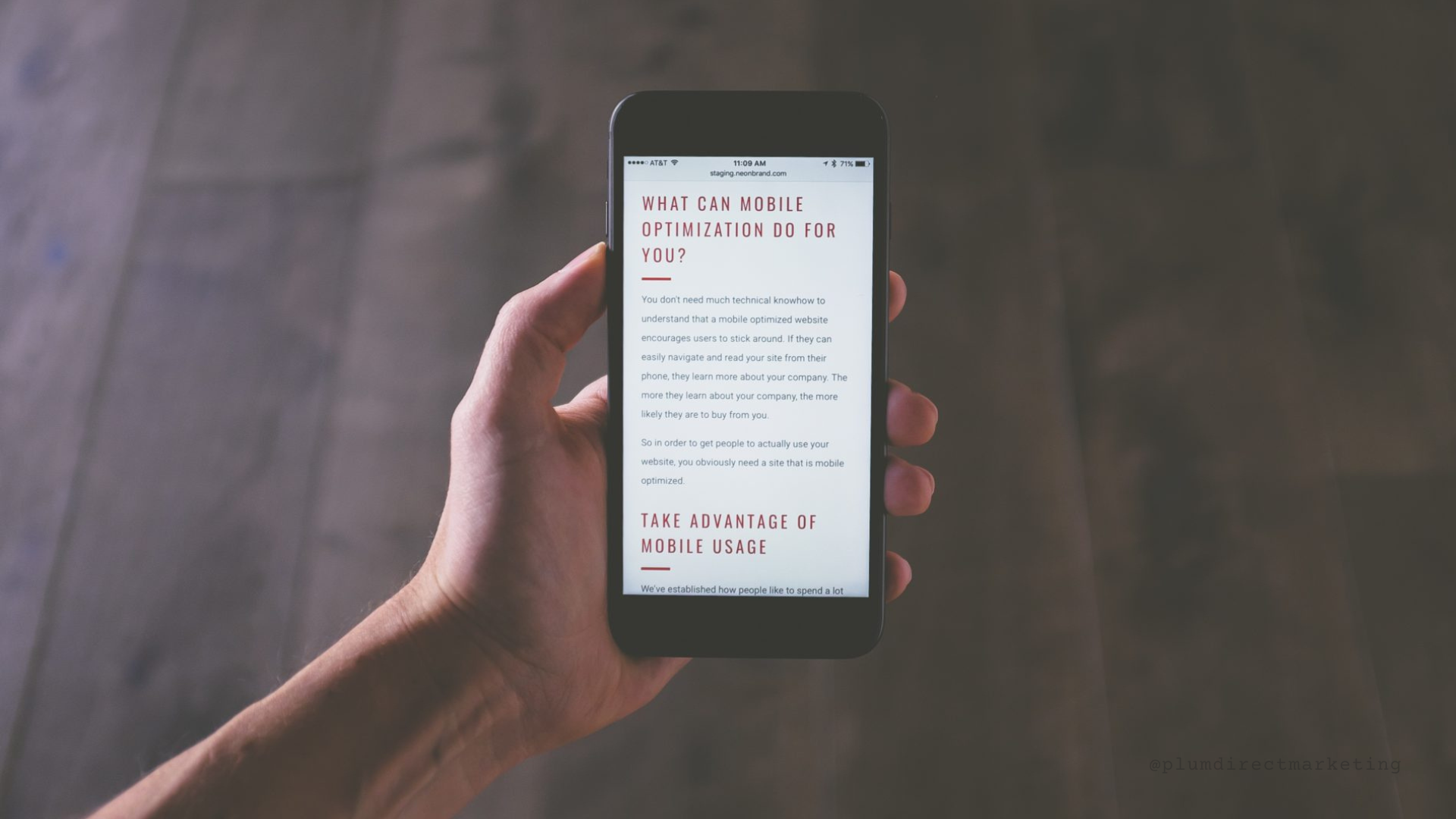
It’s 2025, and if your website doesn’t adapt to mobile, tablet, and desktop screens seamlessly, it’s already behind. Search engines, social media platforms, and users all expect fast, easy, mobile-first experiences. A responsive website isn’t just a nice-to-have, it’s essential for visibility, credibility, and conversion.
Here are six reasons why your business needs one now.
1. Better SEO, Better Visibility
Google prioritizes mobile-friendly websites in search results. Responsive design gives your site one clean URL and a consistent structure, making it easier for Google to crawl, index, and rank. You’ll build stronger domain authority, avoid duplicate content, and perform better in local and mobile searches.
2. Faster Load Times = Lower Bounce Rates
In a world of instant results, every second counts.
Responsive websites load faster because they eliminate redundant code, compress media, and adapt automatically to device size. That means less waiting, fewer bounces, and more conversions.
Pro tip: Aim for a load time under two seconds on mobile, anything longer, and most users are gone.
3. Seamless Social Sharing
Over 85% of social media traffic happens on mobile. When people click a post, ad, or link, a non-responsive site is an instant drop-off point. Responsive design ensures your shared content looks polished, loads fast, and keeps users engaged no matter where they come from—Facebook, Instagram, or LinkedIn.
4. A Better User Experience, Everywhere
Good UX is good business. Responsive websites eliminate pinch-zooming and awkward side-scrolling. They adapt layout, font size, and visuals automatically for clarity and comfort. The result: a smooth journey that encourages visitors to explore your content and take action.
5. One Site, Lower Costs, Higher ROI
Why manage two versions of your website when one can do it all?
Responsive design eliminates duplicate updates, reduces maintenance costs, and keeps all analytics in one place. You’ll spend less time fixing layouts and more time optimizing performance and conversions.
6. Built for the Future
Technology evolves fast, your site should too.
Responsive design automatically adjusts to new screen types and devices, from smart TVs and tablets to foldable phones and in-car browsers. You don’t have to rebuild every few years; your site evolves with the web.
The Bottom Line
Your website isn’t just your digital storefront, it’s your credibility, visibility, and conversion engine.
A responsive design ensures it performs everywhere your audience is, from their phone to their desktop.
At Plum Direct Marketing, every site we build is 100% responsive, SEO-optimized, and designed to convert. We help service-based businesses stay ahead of trends, not behind them.
Ready to upgrade your website?
Contact us today or call 1-800-992-9663 to start building a site that performs beautifully, on any device.
FAQs
1. What exactly is a responsive website?
A responsive website automatically adjusts its layout, text, and visuals to fit any screen size—from smartphones to desktops—without losing usability or design consistency.
2. Is a mobile-friendly website the same as a responsive one?
Not quite. “Mobile-friendly” sites may only scale down for phones, while “responsive” sites dynamically adapt to any device or orientation, offering a smoother, more consistent experience.
3. How does responsive design impact SEO?
Google rewards responsive sites because they’re easier to crawl, index, and navigate. This improves visibility in search results and boosts your chances of ranking higher on mobile searches.
4. Will I have to redesign my whole website?
Not always. In many cases, your existing site can be upgraded with responsive elements and optimized layouts, without a full rebuild.
5. How long does it take to make a site responsive?
It depends on your site’s size and complexity, but most conversions can be done in a few weeks. The long-term benefits, higher engagement, better SEO, and stronger brand presence, are well worth the effort.